 Wellness News
A healthy living newsletter for the patients of Wellness News
A healthy living newsletter for the patients of Pande Family Wellness Centre
September 2009- Vol 1, Issue 3
|
|
|
|
|
|
| Greetings! |
OPEN HOUSE!!
It's hard to believe it's been one year since we moved into our offices at Yonge & Eglinton! We're thrilled to be serving this community and will be holding our One Year Anniversary Open House on Thursday September 24th, 2009 to celebrate! We'll have healthy snacks, special offers and you can talk to each of our practitioners to learn more about their services. You can also enter our draw to win a $50 gift certificate to Bellini's Ristorante in Yorkville!! The Open House will be from 11:00am to 2:00pm and from 5:00pm to 7:00pm. Bring a friend!
We hope to see you!
Dr. Maya
P.S. I'd like to extend a warm welcome to the newest addition to our team! Kathleen joined us in September and is quickly learning the ropes of the front desk! She is working in the afternoons and Sabina is still doing a great job in the mornings! .
|
|
|
|
|
Pack it Light and Wear It Right! by Dr. Maya Pande, DC |
|
 It's that time again. Kids are going back to school and book bags are being brought out from under the bed. So what are the best options? Shoulder and messenger bags can cause muscle strain because they are only worn on one side and a wheeled backpack can be cumbersome and hard to maneuver up and down stairs. When worn properly, backpacks are really the best kind of carry all that a child can wear; however, even they can cause problems for the child if they are packed or worn incorrectly. It's that time again. Kids are going back to school and book bags are being brought out from under the bed. So what are the best options? Shoulder and messenger bags can cause muscle strain because they are only worn on one side and a wheeled backpack can be cumbersome and hard to maneuver up and down stairs. When worn properly, backpacks are really the best kind of carry all that a child can wear; however, even they can cause problems for the child if they are packed or worn incorrectly.
First, let's talk about what kind of backpack you should buy. You want a pack that has lots of pockets around the sides so that you can distribute items more evenly. Also, it should be made of a lightweight material, such as canvas or vinyl, with two wide shoulder straps. Waist or hip straps are also important to consider when choosing a pack. Don't forget, the size of the backpack needs to be proportionate to the size of the wearer!
Next, how should a backpack be packed? Most kids wear one that is much too heavy for their bodies. I'm sure that you've picked up your son's or daughter's bag and had to lift it with two hands! Many doctors and therapists agree that a child's knapsack should weigh only 10-15% of his/her body weight. This means that for an 80lb student, the bag should weigh 8-10 lbs. This can be accomplished by making sure to pack only what they need for that day. To keep it more comfortable, pack the heavier, flatter items closest to the body while putting the bulkier, oddly shaped ones on the outside or at the top of the bag, away from their back.
Now that the bag is packed, it has to be put on. You want to put the bag on an even surface that's at waist height. Slip the bag on, one shoulder strap at a time, and then adjust them so they fit comfortably. The pack should fit snugly against their back but you should be able to slide your hand between the bag and their back. Also, wearing the waist straps will increase stability. Keep in mind to never wear a backpack over just one shoulder.
Carrying an unevenly distributed heavy load can cause poor posture as well as muscle aches, tiredness, headaches or back pain. So take a few minutes to examine your child's back pack and make sure to pack it light and wear it right!
|
| Fairy Tales as Therapy? by Beth Stevenson, MA, DT, CCC |
 It seems that fairy tales have the power to heal, and in conjunction
with drama therapy, they allow us to face our real-life horrors in a
way that is manageable. It seems that fairy tales have the power to heal, and in conjunction
with drama therapy, they allow us to face our real-life horrors in a
way that is manageable.
The Story Within
is a drama therapy approach used by Beth Stevenson,
psychotherapist, which aids each client in discovering not only his or
her story, but also reveals the steps that each client needs to take on
his or her own unique path towards healing.
Stemming from the human psyche, fairy tales are
universal, ringing true to human experience across cultures; yet the
elements of culture that have been added, or influenced the telling of
each universal story, have the power to create a path from the
universal to the personal, ensuring that each client's story be told.
Fairy tales have been described as vehicles for the human psyche, lending themselves more to universality than depicting any one culture or social attitude (Tatar, 2003). Where fables, folktales, and myths tend to have a lesson to be taught (being very entrenched in social values and cultural influence), fairy tales represent the wishes, fears, hopes, and dreams of humans across cultures (Bettelheim, 1977). There may be many different versions of a fairy tale, each culture having made slight changes to fit their experience and customs, yet the themes tend to stay the same, reflecting a deeper influence than culture - rather, the human experience.
Many authors (including drama therapists) believe that fairy tale and story may provide a useful framework for therapy. Bettelheim (1976) postulates that in fairy tales, "internal processes are externalized and become comprehensible" (p. 27). Gersie and King (1990), as well as von Franz (1970) describe how stories may be used in the therapeutic process for their symbolic and metaphoric value, encouraging clients to relate their experiences as stories. Jennings (1990) utilizes mask-making with her clients, creating fairy tale and mythic characters to explore personal issues, and states that, "the nearer we work to a person's own life...the more limitations we impose on our exploration of their life story. The greater the dramatic distance we create, the greater the range of therapeutic choices available" (p. 111). Lahad (1992), uses story-telling in his assessment approach (the six-part story method), asking clients to create stories in which he or she plays the main character, allowing the therapist to discover the client's way of coping with trauma.
|
| Chicken Soup, Rest & Homeopathy: A Natural Perspective on the H1N1 Virus by Joy Burlton, BHSc, HD |
|
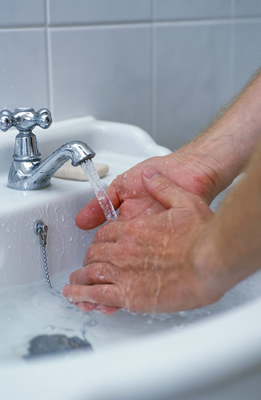 The H1N1 virus (swine flu) has been all over the news in 2009. The symptoms of this influenza are similar to seasonal influenza, including fever, cough, headache, muscle and joint pain; sore throat and runny nose, and sometimes vomiting and diarrhea. The H1N1 virus (swine flu) has been all over the news in 2009. The symptoms of this influenza are similar to seasonal influenza, including fever, cough, headache, muscle and joint pain; sore throat and runny nose, and sometimes vomiting and diarrhea.
This virus is different from previous or current human seasonal influenza viruses and because of that, the seasonal flu shot has no effectiveness. A vaccination is being developed but has not undergone proper safety testing and has unknown efficacy. There are also a lot of antivirals (tamiflu etc.) but these can have potential and very serious side effects and problems with access when it affects the whole population. http://vran.org/
Depending on which symptoms are prominent in an individual, Homeopathy can help you to recover from this flu and any others quickly and with much less discomfort while boosting your future immunity. I have seen it many times in my practice and even with myself: Symptoms are lessened, the body is able to rest peacefully and then a full recovery is possible very quickly.
What to do if you do get the flu?
-
Sleep! Give your body the time to heal before you start demanding of it again. Sleeping for 14 hours may be exactly what you need to nip this in the bud, and that may be difficult to do when you have family and work demands but the consequence is a longer and more uncomfortable period of recovery. By toughing it out and going back to work when they feel a little better can cause some people to end up having the flu for two weeks!
-
Drink lots of fluids. Hot lemon, ginger and honey drinks will help soothe the throat. If you are feeling nauseous, avoid drinking water as this will lead to further vomiting. Instead sip ginger ale or a juice of your choice. And don't forget the advice of grandmothers from around the world, chicken soup is good for the soul and the flu!
-
Gargle with warm salt water. Doing this will help disinfect the throat. One tsp. of salt into 8 oz of warm water. Do not swallow.
-
A lukewarm bath with a cup of vinegar can bring down a fever and relieve aching muscles. To soothe congestion, add some essential oil of eucalyptus to your bath.
-
A recent study showed that 1000 mg of Vitamin C, like that found in orange juice, every six hours can effectively relieve, or even prevent, flu symptoms.
-
Avoid dairy products. They promote the production of mucous.
-
Avoid sugar, artificial sweeteners and food additives. - Don't panic; stress lowers your immune system and worrying about the flu won't prevent it.
-
See or call a homeopath for an acute consultation to minimize symptoms and help you with a quicker recovery.
-
Go see your GP or emergency if symptoms become severe.
Homeopathy can also be used preventatively. If you and your immune system are already in great shape, you may avoid getting the flu all together, and even if you do, you will bounce back quicker and have less severe symptoms all the way through. For more information on homeopathy please visit Joy Burlton, Homeopath For more information on homeopathy and flu pandemics, visit Homeopathy and Pandemics |
Dr. Maya in the Community
|
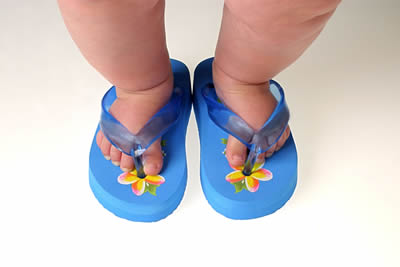 FREE information sessions designed with parents, caregivers and children
in mind
are offered several times a month at Central Eglinton Community Centre, 160 Eglinton
Ave. East. For more information, please contact Leanna at Central
Eglinton Community Centre at 416-392-0511, ext. 246. FREE information sessions designed with parents, caregivers and children
in mind
are offered several times a month at Central Eglinton Community Centre, 160 Eglinton
Ave. East. For more information, please contact Leanna at Central
Eglinton Community Centre at 416-392-0511, ext. 246.
"My child has flat feet!" Is it a problem
or a normal part of their development? What kind of shoes should they wear
and at what age should they start wearing them? Will orthotics help or hurt?
Come join Dr. Maya Pande as she answers these questions and more when she
talks about flat feet and footwear for infants and children.
When: November 3, 2009 at 3pm.
What: "Infants and Shoes, When is the Right Time?"
|
|
, now that all the busy activities of summer are coming to a close, it might be easier to take some time to look after your own health. We offer many services to help keep you in the best shape you can be. Call our office if you need to speak to any of our practitioners to get your personal health back on track.
Sincerely, |
|
|
Dr. Maya Pande, DC
Pande Family Wellness Centre
|
|
|
|
|




