| Featured Article | 
| |
Sun Safety
|
Join Our List

|
|
|
|
Dear WPC Families,
June has arrived and summer is here! School is coming to an end and all of the kids summer activites are about to start. Once again, don't forget to call and schedule your child's school physical as summer appt's fill up fast.
|
|
Facebook
|

Check out our Facebook page for the latest news in children's health, parenting advice and Williamsville Pediatrics updates. Follow the link above to "Like" us!
|
|
Seasonal Allergies
|
Western New York is experiencing significantly high pollen counts for grass and some trees. Some are thinking it may have been our mild winter, but so far this has been a bad allergy season. If you think your child may be experiencing nasal or eye allergy symptoms, check out our web site for more information.
|
|
Sun Safety
|
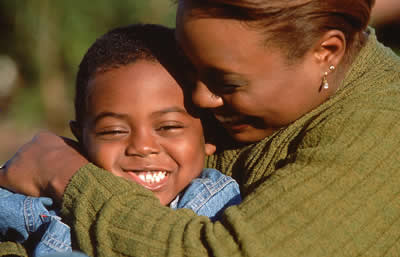
Just a few serious sunburns can increase your child's risk of skin cancer later in life. Kids don't have to be at the pool, beach, or on vacation to get too much sun. Their skin needs protection from the sun's harmful ultraviolet (UV) rays whenever they're outdoors.
- Seek shade. UV rays are strongest and most harmful during midday, so it's best to plan indoor activities then. If this is not possible, seek shade under a tree, an umbrella, or a pop-up tent. Use these options to prevent sunburn, not to seek relief after it's happened.Cover up. Clothing that covers your child's skin helps protect against UV rays. Although a long-sleeved shirt and long pants with a tight weave are best, they aren't always practical. A T-shirt, long shorts, or a beach cover-up are good choices, too-but it's wise to double up on protection by applying sunscreen or keeping your child in the shade when possible.
- Get a hat. Hats that shade the face, scalp, ears, and neck are easy to use and give great protection. Baseball caps are popular among kids, but they don't protect their ears and neck. If your child chooses a cap, be sure to protect exposed areas with sunscreen.
- Wear sunglasses. They protect your child's eyes from UV rays, which can lead to cataracts later in life. Look for sunglasses that wrap around and block as close to 100% of both UVA and UVB rays as possible.
- Apply sunscreen. Use sunscreen with at least SPF 15 and UVA and UVB protection every time your child goes outside. For the best protection, apply sunscreen generously 30 minutes before going outdoors. Don't forget to protect ears, noses, lips, and the tops of feet.
Click here to find out more about changes to sunscreen labels.
|
|
Lawnmower Safety
| |
Each year many children are injured severely by lawn mowers. Power mowers can be especially dangerous. However, most lawn mower-related injuries can be prevented by following these safety guidelines.
Check out this link to find out what age your child can safely operate a lawn mower and what precautions you should take to keep your kids safe.
|
|
Feeding Disorders
|
Family meals, holiday celebrations, summer picnics, and restaurant dining all have one thing in common: FOOD AND EATING! For most of us, these sound like fun and enjoyable events. But for families and children who live with a feeding disorder, it can seem more like a nightmare.
What exactly is a feeding disorder? A feeding disorder during infancy or early childhood is the failure of an infant or child below six years of age to eat enough food to gain weight and grow normally over a period of one month or more. Approximately 25% of otherwise normally developing infants and up to 80% of those with developmental handicaps have been reported to have feeding problems. In addition, 1% to 2% of infants have been found to have serious feeding difficulties associated with poor weight gain (Chatoor, 2009).
There are certain characteristics that may be associated with feeding disorders. These may include but are not limited to the following:
* Medical conditions such as Gastro-Esophageal Reflux Disease (GERD)
* Other GI conditions
* Limited food selection and/or limited food groups
* Delayed ability to use the oral musculature to safely and effectively manipulate solid food
* Anxiety and/or tantrums when presented with new foods
* Difficulty swallowing
* Food allergies and associated medical conditions
* Failure to thrive and gain weight
* Sensory food aversions
* Pre-maturity of birth
* Developmental disabilities
* Physiological conditions such as cystic fibrosis, cerebral palsy, autism, low muscle tone, cardiac, genetic, sensory and metabolic disorders.
So, what is the difference between a picky eater and a problem feeder? A picky eater may reject certain foods, but still has a nourishing diet. Picky eaters generally have a limited number of foods they will eat (about 30). Typically a picky eater will eat at least one food from all food texture groups. If a picky eater loses a food from their repertoire, it can most often be reacquired following a two week break. Picky eaters will generally tolerate new foods on their plate, and will usually touch or even taste new foods. Problem feeders differ from picky eaters in that they tolerate a very restricted range or variety of foods. When a problem feeder loses a food from their repertoire, it is not re-gained. It is not unusual for children who are problem feeders to cry or "melt down" when faced with a new food. These types of eaters generally refuse to eat entire categories of food textures. For example, they typically stick to all crunchy foods or all soft foods, and often times prefer foods of one taste, such as salty foods or sweet foods. They refuse to try new foods even after 10 exposures and may demonstrate the need for routine/sameness during meals. This becomes a disorder when symptoms are present in more than three feeding situations per day for more than four weeks, when mealtimes become stressful for the child and the parent, and when a calm and satisfying feeding routine cannot be established. The feeding situation is extremely disturbed, resulting in symptoms such as: failure to thrive, growth retardation, oral motor apraxia, and a disturbed parent-child relationship.
If you suspect your child may have a feeding disorder, contact your pediatrician. They will be able to assist you by ruling out any medical concerns that be contributing to the problem, as well as offer information regarding nutritional intake. Your physician will be able to recommend feeding specialists who will provide an in depth evaluation as well as appropriate intervention.
Part 2 of this article will consist of a personal testimony from a local family who lived through a feeding disorder with their daughter, look for it in a future newsletter! For more information contact Hearing & Speech of WNY 631-7503.
|
|
Is Your Child Sick?
|
Late night medical questions that you don't want to call for, or wondering if you child needs to see the doctor?
A new feature on our web site might help. It is called "Is you child sick?" and is found on the home page of our web site. Here, you will find advice on over 100 medical conditions, medication dosages, behavior problems and more. All of the information is from the most trusted source in pediatrics - Barton Schmitt, MD. Check it out! |
|
If you choose not to vaccinate...
|
Williamsville Pediatrics recommends that you follow the full recommended vaccination schedule as outlined by the CDC. (You can read it here)
If you choose to delay some vaccines or reject some vaccines entirely, there can
be risks. Please follow the steps outlined in this document from the CDC to protect your child, your family, and others.
|
| Vaccines | |
Looking for a reliable source of information on vaccines? The AAP has a great site for parents to research and become informed.
Vaccine FAQ
|
|
 At Williamsville Pediatrics, we are proud to be designated as a "Patient Centered Medical Home" and are NCQA certified. At Williamsville Pediatrics, we are proud to be designated as a "Patient Centered Medical Home" and are NCQA certified.
Our team of highly regarded Board-Certified Pediatricians and Nurse Practitioners are committed to providing exceptional health care for your children. Pediatrics is our passion - come grow with us! Located in Williamsville, a suburb of Buffalo, New York, Williamsville Pediatrics serves the Western New York pediatric needs of the communities of Williamsville, Clarence, East Amherst, Amherst, Depew, Lackawanna and beyond. It has been our pleasure to deliver acute and preventive pediatric care at the highest level since 1989.
Sincerely,
Williamsville Pediatric Center
|
|
|