|
Tech Corner: Translating research into revolutionary technologies
| | |
Building Biofuels for Land, Air and Sea
In August, President Obama announced that the U.S. Departments of Agriculture, Energy and Navy will invest up to $510 million over the next three years to produce biofuels for aviation and marine vehicles, making drop-in biofuels a national priority. The Navy alone would need 336 million gallons of drop-in advanced biofuel each year to meet their target of obtaining half of their energy from alternative sources by 2020. Scientists at the GLBRC are using synthetic biology and E. coli bacteria to generate the cellulosic biofuel technologies needed to meet this massive call for drop-in fuels.  | | Pfleger in the lab |
"In an ideal world, you could go to the gas station and fill up your car or truck with a biofuel that is indistinguishable from today's petroleum derived fuels," says Brian Pfleger, GLBRC project leader and assistant professor of chemical and biological engineering at the University of Wisconsin-Madison. "If we can successfully develop methods of producing fuels from cellulosic biomass, we can reduce the need for new fueling infrastructure and the problems associated with that enormous change." Read the full story at GLBRC.org.
|
|
Biofuels Beat: An inside look at the latest GLBRC science
| | |
Depots Could Help Solve Biomass Supply Chain Challenges
Creating biofuels from region-specific biomass could make a huge dent in fossil fuel use for transportation. But moving lightweight, bulky biomass from farms to factories could leave a large carbon footprint, and get expensive quickly.
So quickly, in fact, that in order to be economically viable, plant biomass would need to come from an area no more than 50 miles away from where it will be processed into fuel.
A sustainability research team at the GLBRC is working to solve biofuel supply chain issues by exploring a new intermediate structure for gathering, processing and converting biomass into cellulosic biofuels. The proposed structure, called Regional Biomass Processing Depots (RBPDs), could improve both the economics and the sustainability of the biomass supply chain by keeping a portion of pretreatment and processing closer to the farm.
Read the full story at GLBRC.org.
|
|
Ask an Expert: Answers to your bioenergy questions
| | |
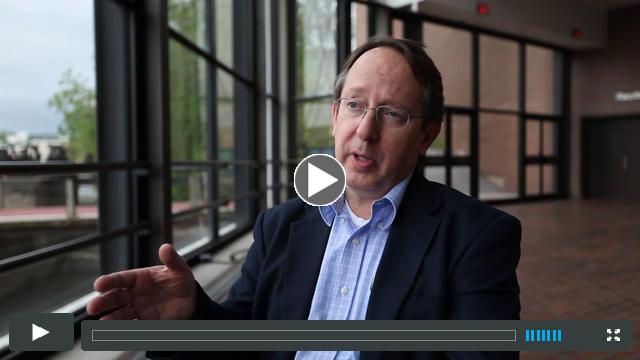
What is Pretreatment?
Bruce Dale, Leader of GLBRC's Improving Biomass Processing area, talks about biomass pretreatment, and its role in the biofuels pipeline.
 |
Research Experience for Undergraduates: Summer 2011
 | |
Summer 2011 REU students Chrissy Lui, Elizabeth Eiseman, Meg Earnest and Ben Hedin with GLBRC Education and Outreach Director John Greenler
|
This summer four students were given a unique opportunity to participate in hands-on research as part of the GLBRC bioenergy Research Experience for Undergraduates program.
View photos from this summer's REU program and projects here: |
|
|
|
Upcoming Events

October 6, 2011
Madison, WI
Register now to join GLBRC researchers at this conference focused on bioenergy industry development, commercialization and sustainability. The full-day agenda features Virent Energy Systems CEO Lee Edwards, panel sessions and a special networking reception.
_____________________
GLBRC Seminar Series
Fall 2011
Madison, WI & East Lansing, MI
The GLBRC seminars feature a wide range of bioenergy topics and experts. Check out last year's archives and sign up to receive updates on fall series speakers and topics!
_____________________
Wisconsin Science Festival
Sept. 22-25, 2011
Madison, WI
Join GLBRC at this inaugural event featuring a coalition of scientists, artists, citizens and organizations passionate about engaging everyone in the power and wonder of science.
_____________________
Find more upcoming events on our website.
|
|





