Belinda Kirkpatrick Naturopath
December   2010  December Newsletter
- Yeast infections - thrush
- Are you getting a good night's sleep?
- Pregnancy - treating common conditions
- Recipe - Sesame Rice Balls
- Mineral focus - CALCIUM
- Red Tent and She Births Christmas Party
- Natural Kids First Aid - this Saturday!
HelloPhoto of belinda,

Wow - it's December! This year has gone so quickly and I have had a really busy and enjoyable time in both clinics. From next year, I will be also available for consultations at the Red Tent Health Centre  on Tuesdays in addition to Thursdays. My three days at Darling Street Health Centre  will remain the same.

For all the new mums and those with toddlers, you are invited to the combined Red Tent and She Births Christmas gathering in Bondi on Tuesday 7th December at 10am. More details are below - I would love to see you there!

I hope that you and your family have a safe and relaxing holidays and that your Christmas/Channukah and New Year are filled with love, laughter, friends and family.

I look forward to seeing you in Balmain or Woollahra soon.

Belinda x


Do you suffer from thrush?
by Belinda Kirkpatrick
Thrush - a common complaint 

photo of a womanMany women will suffer from an episode of 'thrush' at least once during their lifetime. Other women are plagued by recurrent episodes that can be very hard to treat, even with conventional pharmaceutical treatments.


Vaginal yeast infections can be caused by a number of different organisms, the most common being Candida albicans.  Many women with recurring yeast problems refer to themselves as having Candida, however this may not be technically correct as it could be any of a number of strains of yeast causing the problems. Over 200 different species of yeast have been associated with human infections. 


Why Am I Susceptible to Yeast infections?

Yeast is everywhere and is considered an opportunistic pathogen which means that when it gets an opportunity to overtake your immune system and cause an infection - it will!  


There are several factors that can predispose you to problems with yeast:

  1. Antibiotic use
     
  2. High sugar/starch/alcohol diet
     
  3. High stress
     
  4. Nutritional deficiencies
     
  5. Hormonal imbalances and oral contraceptive pill use
     

Naturopathic Approach to Chronic Yeast Infections

  1. Using dietary modification, herbal medicines and supplements to remove excess yeast and unwanted bacteria from the digestive tract and vagina.
  2. Restore the good bacteria with specific high quality probiotic supplements.
  3. Repair the damage caused by yeast to the linings of the intestines and vagina.
  4. Lower or eliminate sugar, refined carbohydrates and alcohol.
  5. Reduce stress levels via herbs, exercise, massage therapy etc.
  6. Normalise healthy hormone balance via diet and liver detoxification.


Dietary modification may include elimination of:

  • Dairy products (except natural, live-culture yoghurt)
  • All sugars (including most fruits, alcohol and refined carbohydrates)
  • Yeast- containing foods (such as bread, beer or wine)
  • Fermented foods (such as soy sauce, vinegar, pickled foods, beer and wine)
  • Mushrooms (which are a fungus)


To discover if your health problems are yeast-related, complete the quiz from the downloads page of my website!

Sleep - is it a problem?
by Belinda Kirkpatrick

Getting the best night's sleep

photo of bedroomMany people do not get a good night's sleep. Some may have trouble falling asleep, some have trouble maintaining sleep and some people simply do not feel refreshed in the morning. Sleep problems can be caused by a wide variety of factors which naturopathic treatment can be very successful in treating.

For some people, simple changes can improve their sleep such as the suggestions listed below. If you are still having trouble sleeping. please make an appointment so that your individual situation can be assessed and treated. You will feel the difference and your body will thank you!

Simple ways to improve your sleep:
  • Create a bedtime routine to prepare your body for sleep - try to go to bed at a similar time each night.
  • Turn off the TV and computer at least half an hour before bedtime to reduce over-stimulation.
  • Meditation or deep breathing - listening to a short and simple meditation track or yoga nidra in addition to deep, slow breathing before sleep is excellent in reducing tension and promoting deep and restful sleep.
  • Lavender oil - burn some in your bedroom or put some on a tissue and slip under your pillow for a relaxing scent. A lavender oil bath or shower is also a great part of any sleep routine.
  • Herbal 'sleep' teas - try my 'soothe' tea or any other commercial 'sleepytime' type tea to help to calm and relax the body and mind.
  • Exercise - Increase exercise during the day but avoid exercise within three hours of going to bed as this will boost alertness and have a negative effect on sleep.
     
  • Avoid caffeine - Caffeine is a mild stimulant that increases the activity of the central nervous system. Caffeine's stimulant effect peaks in about one hour and then declines as the liver breaks it down. Different people break caffeine down at different rates but it can take up to eight hours. This means that tea and coffee intake should ideally occur before lunchtime.
  • Avoid alcohol - Alcohol should not be used as a sedative. After an initial sleep period, sleep tends to be broken and light after alcohol consumption.
Pregnancy Care - the natural way
by Belinda Kirkpatrick
Treating and avoiding the common conditions of pregnancy

Photo of a woman

Many of the common conditions in pregnancy are signs of specific nutritional deficiency and may be easily remedied with supplemental support. Belinda can assess your nutritional status and prescribe appropriate supplementation. It is important not to self medicate - especially during pregnancy.


Morning Sickness

Morning sickness is a problem that usually occurs in the few months of pregnancy due to increased hormone levels. Eating small, regular, protein-containing meals and drinking ginger tea and taking vitamin B6 often help. Other supplements or appropriate herbal medicine can be prescribed as needed.


Heartburn

Increased levels of progesterone reduce the effectiveness of the valve above the stomach. Small, regular meals, avoiding spicy or fatty foods and not lying down after meals may reduce these symptoms. Drinking herbal teas such as chamomile, fennel or peppermint before meals, may also be effective.


Constipation

Eating lots of fresh fruit, vegetables and whole grains and drinking plenty of fresh, filtered water and other fluids can give relief from constipation, which is common in pregnancy. Slippery Elm powder can be taken in capsule or powder form and mixed with yoghurt, banana or oat porridge. Regular, gentle exercise is also important.


Muscle Cramps

Leg cramps often occur in the second half of pregnancy and while they mostly occur at night, may also happen during the day. Avoiding sitting with crossed legs, drinking plenty of fluids, gentle exercise and daily stretching may be useful. Lying on your left side when resting also helps by aiding circulation to the legs. Muscle cramps may also be due to nutritional deficiency, particularly magnesium. Your practitioner can check for deficiencies and recommend appropriate supplements.


Varicose veins/ Haemorrhoids

These issues occur due to the increased pressure put on the circulation by increased weight and your growing baby. Avoiding excessive weight gain and constipation will help avert these problems. Support stockings may be recommended. Foods such as blueberries and vitamin C supplements with bioflavenoids can help strengthen the blood vessel walls. Herbal medicines may also be appropriate.


Fluid Retention

Fluid retention affects more than 50 per cent of pregnant women. It usually occurs in the feet, legs and hands and is worse at the end of the day. It can also be associated with high blood pressure so, it is important to have your blood pressure checked regularly. Avoiding long periods of standing without moving, limiting salt intact and ensuring there is adequate potassium in the diet can all alleviate this problem. High potassium foods include legumes, bananas, spinach, almonds, fish, beef and chicken. Keep drinking LOTS of water. Some very effective herbal teas can be prescribed.


Hypertension (High Blood Pressure)

It is important to have your blood pressure checked regularly during pregnancy. Tell your practitioner if you have a history of hypertension or pre-eclampsia in a previous pregnancy so that a preventative regime can be devised. Avoid salt and stress, drink plenty of fluids and ensure you get adequate rest and relaxation.


Allergies

If one or both parents suffer from allergies such as eczema, asthma, hayfever, sinusitis or food allergy, your unborn baby has a high chance of inheriting these genetic predispositions. Appropriate supplements and maternal immune support during pregnancy can significantly reduce the onset and severity of allergies in your child.


Preparing for Labour

Preparing your body for the birthing process needs to commence at around 34 weeks. Belinda will prescribe a specific combination of wonderful, herbal teas and liquids to assist your body to prepare for labour. Homeopathics and Bach Flower remedies may also be prescribed for use during labour. Remedies are also available for use in the case of delayed or stalled labour.


After your baby is born...

Belinda will continue to care for you and your baby after the birth and right through childhood. You will always have a listening ear, professional and caring advice and someone to answer the many questions you will have as you undertake the rewarding and sometimes challenging task of being a parent.

Recipe - Sesame Rice Balls
by Belinda Kirkpatrick
Sesame Rice Balls
Photo of applesThese rice balls are delicious and nutritious! Serve them warm or cold for lunch or in lunch boxes for the kids. Or make them smaller and create an ideal finger food for parties. The tahini, sesame, tofu and broccoli also make them a great source of calcium!


Ingredients:

1 cup mixed raw vegetables (broccoli, carrot, zucchini, mushroom)
3 cups cold cooked short-grain brown rice
2 tablespoons tahini
juice of 1/2 lemon
1 tablespoon tamari (wheat-free soy sauce)
1/2 cup silken tofu
1 cup sesame seeds

Method:
Chop vegetables very finely (if the pieces are too big, the mixture will not stick together). Combine rice and veges in a bowl. Mix the tahini, lemon juice, tamari and tofu in a blender until smooth and creamy. Pour this sauce over the rice and veges and mix well.

Preheat the oven to 180 degrees. With wet hands, roll the rice mixture into balls about 5cm in diameter. Roll the balls in sesame seeds until they are thoroughly coated and place on a baking tray. Bake for 40 minutes, turning twice.

This recipe makes around 16 balls. Serve with a green salad and a dipping sauce of your choice. Enjoy!
Mineral focus - CALCIUM

By Belinda Kirkpatrick
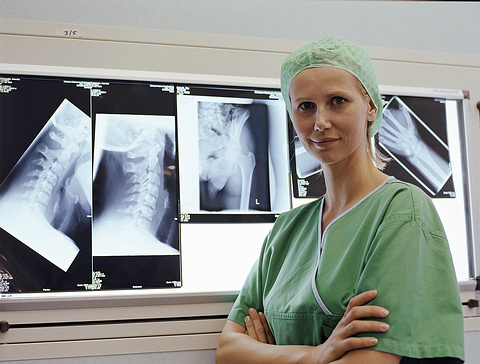
Photo of bone x-raysCalcium - essential for strong bones

Calcium is the most abundant mineral in the human body, with 90+% of it located in the bones and teeth. It is one of the key minerals for maintaining bone density before, during and after menopause. Menstruating women need at least three serves of calcium rich foods per day, whilst post -menopausal women need 4-5 serves. Check if you are getting enough calcium with this simple calculator.


Recommended Daily Allowances for calcium (mg/day):

Infants - 350-550mg

Children (1-10 years) - 800mg

Teenagers - 1200mg

Adult women- 800-1000mg

Pregnant/breastfeeding women - 1300-1500mg

Post-menopausal women - 1500mg


Symptoms of low calcium levels:

*Muscle cramps
*Eye twitching
*Osteopenia/osteoporosis
*Fatigue
*Increased menstrual bleeding and cramping
*Tooth decay
*Insomnia
*Brittle nails
*Increased blood pressure


The following list gives quantities of foods that provide a 'serve' (300mg) of calcium:


1 ¼ cups cooked spinach or other greens


2 cups cooked broccoli


2/3 cup plain low-fat yoghurt


1 cup buttermilk


¼ cup grated parmesan chee


50g Swiss or cheddar cheese

1 ½ cups full cream milk

1 ¼ cups of plain yoghurt

200 g tofu

1 small standard can of sardines

300 g can salmon

2 cups low-fat cottage cheese


Good sources of calcium include:

 *Almonds

*Unhulled tahini

*Sardines (canned)

*Whitebait

*Dairy products

*Parmesan

*Parsley (tabouli)

*Dried figs
*Broccoli
*Kidney beans


Use this online calcium calculator to discover if you are getting enough calcium in your diet!

Christmas/Channukah gathering - Tuesday 7th December

Red Tent and She Births gathering for mums and bubs
photo of a Christmas TreeThe Red Tent & She Births cordially invite you to our combined Christmas & Channukah gathering for mums and little tots. This is a great opportunity to show off your beautiful bubs,  some of whom I may have known on the inside during your pregnancy but not met yet!

When - Tuesday 7th December, 10-1130am, no need to rsvp.

Where - Nick's Seafood Restaurant, Bondi Pavilion. ($5 covers your choice of tea or coffee plus fruit platters)

There will be 6 fantastic prizes from The Red Tent, the very sexy Hussy fashion and the cutest little girls dresses from Willow Mae plus goodie bags for the first 60 mums!
 
Naomi and Rebecca, directors of The Red Tent will share ancient wisdoms and tips from a Chinese medicine perspective on "How to deal with the demands of a baby, their father and your own changed body and needs". They will also be joined by Nadine Richardson director of She Births to talk on this topic, but who will also facilitate a self-care discussion called "Guilt free motherhood!" What is it and is it possible?
Kids First Aid the natural way - LAST CHANCE TO BOOK!

Kids First Aid - an easy way to solve common problems at home.

Rebecca Mar Young and myself, from the Red Tent Health Centre in Woollahra held a great Kids First Aid course a month or so ago and we are holding another session on Saturday 4th December from 2-5pm for those who missed out.

What you will learn:
Learn how to tend to common problems that can be treated naturally at home such as colic, teething, coughs, colds, flus, ear infections, tummy aches, gastritis, chronic infections, party food syndrome, bruises and much more!

You will be shown acupressure points to use on children and adults, given a demonstration on how to use the popular 'tiger warmer' and given clear instructions on how to use a variety of home remedies.

When:
Saturday 4th December from 2-5pm

Where:
Red Tent Health Centre, 61 Queen Street Woollahra

Cost:
$65 per person (includes a course booklet from Red Tent Health Centre for Natural First Aid).
Additional kits may be purchased on the day.

Bookings:
Call Rebecca on 0404 457 911 or email rebecca@redtent.com.au

Broccoli photo 
Darling Street Health Centre
1/449 Darling Street
BALMAIN 2041
9555 8806


Red Tent Health Centre

61 Queen Street
WOOLLAHRA 2025
0400 551 622
Join our mailing list