DCWA Horizontal logo
Deer Creek Watershed Alliance News
Upcoming EventsNovember 2011

Greetings!


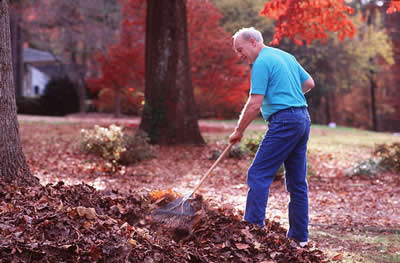
Still trying to rake up the last of the leaves from your lawn?  Here's a tip!  Keep what's left on site to help replace the need for synthetic fertilizers in the spring which can run off your lawn and contaminate streams.  Also, get your soil tested to avoid applying too much fertilizer to your lawn and gardens, and you can rake in the savings as well as improving the quality of our water resources.


Wishing you a Happy Thanksgiving!


Rick Holton
Chairman
Deer Creek Watershed Friends


Reduce Fertilizer Use and Water Pollution by Testing Your Soil


The fall is a great time to get your soil tested allowing you to know what your lawn and garden needs are for spring.  Soil testing is the only way to find out exactly what nutrients your soil needs.  


Learn more


View this flyer for more information on getting your soil tested and for a list of locations to drop off your samples.


Lawn Care Tips for the Fall:  Building Healthy Soil for a Healthy Lawn
 
Wondering what to do with all those fallen leaves on your lawn?  Here are a couple options.
 
Instead of spending countless hours raking leaves, just leave them in place where they can breakdown naturally and recycle nutrients back into the ground.  If you want to speed up the decomposition process of the leaves, use your mower to "mulch in place" and chop the leaves into finer particles.  Move any excess leaf material into your flower beds or compost to help replace the need for mulch and synthetic fertilizers in the spring.   
 
In addition, decaying leaves are also inviting to a host of beneficial organisms creating a healthy soil full of life.  Among these organisms are earthworms.  Native earthworms improve...read more 


Like us on Facebook

Deer Creek Watershed Alliance

info@deercreekalliance.org

New Phone:  314-246-9670

Contact Us

The Deer Creek Watershed Alliance is a project of Missouri Botanical Garden and is funded by project partners, the Mabel Dorn Reeder Foundation, and US EPA Region 7 through the Missouri Department of Natural Resources (subgrant number G11 NPS-15), under Section 319 of the Clean Water Act.