|
Where is Bev Rosen
Bev Rosen will be presenting a complete workshop on "How Stress Affects Our Eating Habits" for the staff of Baltimore City Community College.
Please call Bev at 410-583-1847 to discuss your workplace challenges and how we can assist through professional development training, performance coaching or employee relations services.
|
|
Book Resource
"Coaching Up and Down the Generations"
Haven't we heard enough about generational differences already? Perhaps in leading and managing but not in coaching each other. This book examines how different age groups can better learn from one another despite disparate background.
It examines key issues in inter-generational coaching situations, including how to cultivate a coaching environment where the different generations can have provocative conversations and truly help one another. You'll find how to show the generations common points of interest, needs and goals.
There are lots of tips for creating formal and informal coaching situations, developing opportunities to build relationships and helping people of all ages to become catalytic coaches and engaged performers. |
|
Bosses Overestimate Their Management Skills
Consulting firm Development Dimensions International has unveiled results of its new survey of 1,100 front line managers, conducted in September. Seventy-two percent of respondents said during their first year as manager, they never questioned their ability to lead others. In addition, managers were less likely to rate themselves as weak in several leadership attributes, including planning, communicating and adaptability. Front-line managers identified their chief strengths as setting work standards, planning, and organizing, according to the survey, while only 15% identified delegating, coaching and gaining commitment as areas of development. "It doesn't matter what industry you're in. People have blind spots about where they're weak." Wall Street Journal (11/01/10)
Perhaps what this study is really addressing is the difference between Managing and Leading. How would you define the difference? How many bosses do you know that don't lead and leaders that aren't a boss?
This important distinction is highlighted in my popular training program entitled "Discovering Leadership from Within." It can be found on my website, under the leadership development module.
|
 |
|
|
Greetings!
Our newsletter has a new format with this month's issue which we trust will continue to be informative, engaging and get right to the point.
With the popularity of workplace wellness programs, today we will offer one of our wellness topics and tips that can promote a healthy lifestyle for your most productive employees. |
|
|
Why Wellness at Work?
 Wellness at work programs are on the rise in all businesses. Companies have taken on the responsibility of assisting their employees in leading healthy, productive lives in order to combat the increased job stresses in a downsized world. Furthermore, the most hired employees are our 20 something Millenials and they are looking for work/life balance policies and wellness programs as they chose where they want to work. Wellness at work programs are on the rise in all businesses. Companies have taken on the responsibility of assisting their employees in leading healthy, productive lives in order to combat the increased job stresses in a downsized world. Furthermore, the most hired employees are our 20 something Millenials and they are looking for work/life balance policies and wellness programs as they chose where they want to work.
Today's featured article is "Stress Management and How it Impacts our Nutritional Choices." Why is this relevant - because the norm of taking lunch breaks are over and eating through lunch with unhealthy vendor machine choices does nothing to energize your staff to be at their best.
|
|
How Stress Affects Our Eating Habits
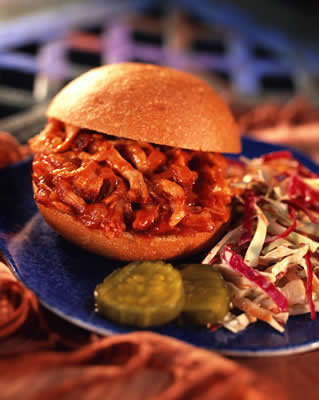 Food is our body's fuel, but most of us run on either empty or full rather than on an even flow. There is a well-known connection between how we manage stress and how nutritionally we eat. We all struggle with eating well from time to time, especially when we are managing stressful times. Food is our body's fuel, but most of us run on either empty or full rather than on an even flow. There is a well-known connection between how we manage stress and how nutritionally we eat. We all struggle with eating well from time to time, especially when we are managing stressful times.
While most of us overeat when stressed, a number of us eat poorly but not excessively or eat little at all.
So answer this question: "When I am under stress at work, I eat...?" I'll go first - it's Almond Joys. You know what - a crunchy granola bar just doesn't have the same rewarding satisfaction. So why should employers care? Just try to get an active highly participatory brain storming meeting at 12noon and not serve food - our blood sugar is so low we are unfocused, impatient, tired, and unimaginative. There are categories or work triggers that challenge healthy eating choices.
Social Cues: The Office Party. Often there is not a lot to do besides eat in these settings. There may be peer pressure to eat Diane's special chocolate molten cake that she reminds us she slaved over. All of us want to belong, to participate, to fit into the fun, and food and drink are often used to do that. - Tips: Get support and accountability with a friend during the challenging social event. Use alternative ways to belong and deal with the negative feeling states besides overeating. Be helpful as the clean up committee. Introduce yourself to the Senior Manager, whom you really wanted to meet and network with. Eat before, so you are not hungry and anticipate your response to what might be said about your not eating.
Situational Cues: "Please see me before you leave today" Your Boss - We try to avoid negative feeling states that accompany bad news. How would you feel if you found this note on your computer just before you were getting ready to leave for the day? Stressed, anxious, fearful? Well we might feel entitled to a little comfort or sugar to boost our ability to handle a potentially tough situation. - Tip: The best way to conquer these negative feelings is to be certain you have a little extra in your "emotional reserves" beforehand. That doesn't come from eating poorly. We should always be prepared for crisis situations at work and practice ways to deal with future crises. So as you walk into your boss's office to learn of a new deadline being added to the project, make sure your self-care account is full to start.
Negative Thoughts Which Lead to Negative Emotions: Have you ever watched your cycle of automatic eating? We are confronted with an unpleasant situation - our team is getting a new boss with a bad reputation for handling his employees. We experience immediate automatic negative thoughts and a powerful surge of negative feelings. "Something horrible will occur if I make a mistake; I'll never be able to do my job the same way and I'll probably be the first to be fired." We in turn resort to unhealthy eating to cope with painful feelings. - Tip: First, we must interrupt irrational thoughts and change this cycle. We need to challenge the truth of automatic thoughts and replace them with alternative/balanced thoughts. "What if this new boss is better than our old boss and gets us more money for the wellness training we need and want? " We need to improve our pessimistic mood and continue nutritious eating. We can then learn to analyze these automatic thoughts for what is true and what is not.
Dealing with Stress Related Eating Patterns: There will always be sudden stresses in our jobs and we need to know and recognize our nutritional stress style. Which foods do you eat or not eat in crisis? At what amount are you "stress-eating." What situations "catch you every time." What emotions do you usually try to avoid when you "stress-eat?" Non "stress-eaters" aren't perfect - they've just mastered step one: Not coping with food. |
|
If you would like to learn more about these and other wellness topics, please click here to be directed to our website.
|
|
Sincerely, 
Bev Rosen, MSW, MBA
Motivating Wellness at Work |
|
|