 SafeMinds Board President, Sallie Bernard, Reports on Neurotoxicology Conference SafeMinds Board President, Sallie Bernard, Reports on Neurotoxicology Conference
The annual Neurotoxicology Conference took place in Research Triangle, NC on October 30-November 2. The conference title was "Environmentally Triggered Neurodevelopmental Disorders: Focus on Endocrine Disruption and Sex Differences in Autism, ADHD, and Schizophrenia." One day of the conference was webcast and archived, courtesy of Susan Daniels of the Office of Autism Research Coordination which supports the Interagency Autism Coordination Commmittee at NIH. [http://iacc.hhs.gov/non-iacc-events/] The conference proceedings are expected to be published in a future journal issue of Neurotoxicology.
A conference on mercury, the endocrine system and autism was conceived several years ago by SafeMinds after reading a review paper by Shirlee Tan, Jesse Meiller and Kathryn Mahaffey of the EPA, "The endocrine effects of mercury in humans and wildlife" (Crit Rev Toxicol. 2009;39(3):228-69). SafeMinds reached out to Drs. Pessah and Zoeller to move the concept forward. Dr. Cranmer, the chair of the conference, graciously adopted the theme. SafeMinds directors Lyn Redwood and Sallie Bernard attended the sessions, and SafeMinds was a co-sponsor of the event.
Findings presented at the conference on neurotoxicology provided evidence that the endocrine system is dysregulated in people on the autism spectrum and common toxins like mercury might be behind this condition. Invited scientists offered supporting data that these alterations might be reversible or prevented through a variety of interventions. Read more.
|
 SafeMinds Executive Director Eric Uram Attends UNEP Negotiations 
SafeMinds' Executive Director, Eric Uram, recently attended the third of five negotiations of the United Nations Environmental Program towards a legally binding international mercury treaty. Download his summary report if you are interested in more details about the events. In addition to our ongoing work to include thimerosal in the treaty, to be eliminated from vaccines worldwide, we created some new materials on skin-lightening creams which contain mercury and the case reports of exposures around the United States. See pages 15 and 18 of the report for those details.
For those of you who have asked for materials in other languages, several of the documents included in the report are in French and Spanish. The report also includes some of the documents presented by the WHO and the AAP in an effort to keep thimerosal out of the treaty, so it can continue to be injected into small children in their vaccines. Overall, the report is helpful for understanding the big picture of international mercury policy. |

From SafeMinds Director of Communications, Katie Weisman
I recently polished off two documents that may be of interest to our readers. One of our goals at SafeMinds is to try to give legislators, researchers and the public broad overviews of the topics we care about.
The first document is a brief titled, "Environment Vs. Genetics - Why the Autism Epidemic Demands a New Approach". It gives a summary of why we should believe that autism is environmentally caused and then follows with a breakdown of the way that total autism research dollars on causation have been spent in the past two years. The disconnect between the current funding allocations and the reality of what needs to studied is obvious. Download here.
The second document is a summary of some interesting studies from 2011 intended to give researchers some food for thought. This list is not all-inclusive, but focuses on mercury and thimerosal. For those who are new to SafeMinds, check out our longer science summary on the website. Download 2011 summary here. |
|
The Age of Autism - Part Seven - Thimerosal
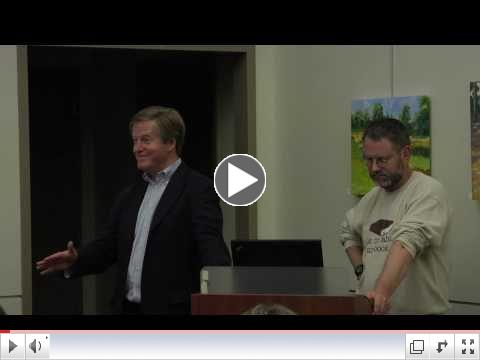 | | SafeMinds - Age of Autism #7 - Thimerosal |
To view the full series of Age of Autism videos, please visit the SafeMinds youtube channel and scroll down on the right hand side to view these videos.
|
|

Arsenic in Apple Juice - The Debate Continues
After the news hit in September that apple juice could be contaminated with elevated levels of arsenic, the FDA went and did some more testing. Their results are only partly reassuring. Read more.
Orleans Lead Problems Worsened by Katrina
A new study from Tulane found that 2/3 of homes and yards in New Orleans have elevated levels of lead, with the age of the home being the most important factor. Extensive renovation and rebuilding since the hurricane appears to have increased lead levels since previous measurements were taken. Read more.
Pollution Shortens Productive Lifespans by 12.7 years
A new international report suggests that 100 million people are impacted by proximity to toxic sites. Artisinal gold mining sites are among the worst. Read more.
Provocative Study Suggests There are Ways to Make Eating Fish Safer
While by no means definitive, the new research suggests that cooking and coffee both reduce your exposure to the mercury in fish. Read more.

Arctic Mercury Concerns
A small study of huskies in Alaska, which typically eat a similar diet to the indigenous people, shows that as their mercury levels increase, their antioxidant function drops. Read more.
|
Resources for our Readers

We are so happy to have you as a member of our community. Whether you are a long-time supporter or someone new to the issue, we would like to point out some areas of our website that may be of interest to you:
If you are interested in getting more involved, here are some easy ways you can help:
Your support provides the hope of a tomorrow that has the answers we seek and treatment for those injured through the accomplishment of life-changing research. None of this would be possible without the interest of people like you.
|






