Guardian Nurses
May 2011

IN THIS ISSUE

 Nurse Advocates Go On-Site to Union Meeting  


 A Mother's Gut Instinct

Some Tips on Caregiving 


What's New at
 Guardian Nurses

Nurse Advocates
Attend Local Union's Annual Meeting  

On Sunday, May 1st, the International Union of Operating Engineers Local 542, invited us to come meet their members, check blood pressures, and provide coaching on a variety of health issues. 

Nurses Maryellen Murphy, Joanne Simone, Judy Mancini, and Betty Long enjoyed their interactions with hundreds of heavy equipment operators.  "It always feels good to get out and meet the members and answer their questions, let them know we're there if they need us," said Maryellen Murphy.  


A Mother's
Gut Instinct  


Three weeks ago, we were referred to a mom, an employee of one of our clients, whose 14 year old daughter had just started to have debilitating headaches, keeping her out of school. 

During the intake, the mom said that she had taken her daughter to her long-time primary care physician after routine over-the-counter medications had not been effective.  


After the physician examined the daughter, he said, "I don't think it's anything to worry about. I think it's just growing pains."  The mom's reaction?  "I need some help."

Our nurse advocate facilitated a prompt appointment with a pediatric neurologist, who ordered an MRI and bloodwork, and was able to identify and treat the child's condition.  The 14 year old is back to school and mom is back to work with peace of mind.


Lighter Notes


Rittenhouse Row

Spring Festival


Join the fun this Saturday from 12 Noon to 5PM on Walnut Street from Broad to 19th Street in Center City Philadelphia as folks enjoy food, shopping, live music, entertainment, and fun!  Walnut Street will be closed to automotive traffic for this free, public event which showcases Rittenhouse Row.


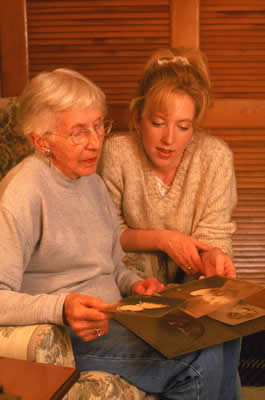
Content ideas for The Flame often come from our clients.  And this month is no exception.  Last week, I received a call from an adult daughter of a 70 year old man.  His health took a turn for the worse about six months ago and she has been dealing with his treatment and care issues since.  She admitted that "as his only child, it's all falling to me." She sounded worn out and in need of support and advice.  Sadly, this is a theme often heard from new clients. 


Many of us like to think that when our parent or a loved one needs our help, we will be able to 'step up to the plate' and provide all that they need.  But, when that need becomes long-term, it can be overwhelming and sometimes disabling if you fail to take time for yourself!  We've included ten 'tips' below for how to better take care of yourself so you can do the important (and rewarding) job of taking care of your parents.


Betty Headshot 3 From 50th PartyHave a Great Memorial Day!!

Please Remember Those Who Served.  


 Betty Long

  Betty Long, RN, MHA, President 

    Guardian Nurses Healthcare Advocates 


Tips on Easing the Burden of Caregiving    


1.        Talk early and often with your parent. Many older Americans are private about their personal lives. Initiate the conversation by discussing how you're planning for your own future, or elicit a doctor's help in starting the conversation. Elderly people often are more receptive to their doctor's promptings about living wills and health care proxies than when their children raise the issue. Once prompted, they often will act.


2.   Acknowledge your feelings.  Taking care of someone is alot of work and it can make you feel alot of emotions that you don't want to feel----like anger or resentment. Or guilt.  It's important to talk about how you're feeling with someone you trust. 


3.      Don't make promises you can't keep. Most people want to age in the place they call home, but that's not always feasible. Ask your loved ones what their goals are. Talk about what can be done to help them age gracefully at home as long as possible. Ask who they would trust if they lose the ability to make decisions.  


4.      Remember your spouse or partner. Don't feel guilty about your taking time to be with the people who care about you.


5.      Use humor.  To get my father to use his walker, I once told him, "Dad, if you fall and break your hip, my reputation as a nurse advocate will be ruined."


6.      When others ask what they can do, take them up on it.  Be practical.  Have a list ready.  Assign them a task.


7.      Achieve a balance of what your parent can do and what you can do for them.  One client had a routine every Saturday where she visited her mom.  She wrote out her checks, but her mom was still making the decisions; and the daughter took comfort in knowing that mom's bills were being paid on time.


8.      Acknowledge the efforts of siblings who have the day-to-day care. A simple thank you goes a long way. Even if you're at a distance, consider making doctor's appointments or arrangements for help in your parent's home, transportation, or Meals on Wheels.  Make frequent phone calls to your mom or dad; older people are often lonely. If it's difficult for them to communicate by phone, mail them a quick handwritten note. Let them know you're thinking about them.


9.      Use community resources. Many local nonprofit organizations and government agencies are dedicated to helping both seniors and their caregivers.   


10.    Seek out professional assistance.  Be mindful that there may be times when you need to pay for a companion to be on-site with your parent, or that having a nurse advocate or geriatric care manager accompany your parent to her physician's visit can be helpful at making sure her treatment is on track.  


Caregiving is a 24/7 job. There is no need to worry about being up to the challenge if you keep the lines of communication open, ask for help and stay connected to the rest of your life.  


Guardian Nurses

Guardian Nurses Healthcare Advocates

215-836-0260  |  Toll Free 888-836-0260  |  info@guardiannurses.com  |  GuardianNurses.com
