 |
Will 2011 continue the weather problems of 2010?
This seems to be the big question as we enter this second month of 2011. FEMA has made it well known through media updates and town meetings that they are very concerned with the potential for flooding this year. The wet ground, high water tables and another snow filled winter are working together to increase the danger for flooding in 2011.
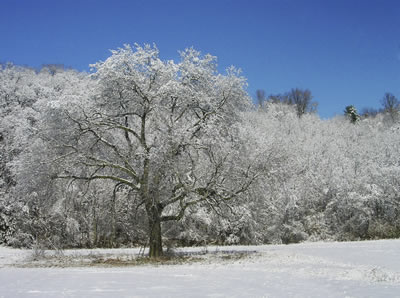 We were fortunate last year that we had a relatively mild melt to allow the snow to disburse without early flooding. Let us keep our fingers crossed that we will be lucky enough to experience a slow melt again this year, no matter how the winter ends, I think it is safe to say that it is not a question of whether it will flood, but a question of where it will happen. We were fortunate last year that we had a relatively mild melt to allow the snow to disburse without early flooding. Let us keep our fingers crossed that we will be lucky enough to experience a slow melt again this year, no matter how the winter ends, I think it is safe to say that it is not a question of whether it will flood, but a question of where it will happen.
In this email we are revisiting this topic as it is very important to know the limitations of your property policy when it comes to water and steps you can take to add additional coverage as needed. Many of our customers took steps in 2010 to protect their property, we encourage more of the same for 2011.
We would also like to remind you that we are a great resource for your Medicare Supplement, Individual Health and Life Insurance needs. We have a great assortment of products that are very competitive. Give us a call if you would like more information.
The Staff of Kouri Insurance Anne, Bryan, Randy, Sheldon, Tammy and Warren |
1. Do I need to wait for an adjuster to start repairs?
You can take protective steps immediately..
| |
We are often asked if it is ok to start repairs before the adjuster is able to see the damages. While you need to be a little careful on how far you go, we do encourage you to take the steps necessary to prevent any additional damage. If your basement is flooded, definitely start removing the water to reduce the likelihood of mold and other issues. If you have a hole in the roof we want you to have it covered or patched.

What can cause an issue is if you complete the repairs and the adjuster does not have any pictures or material to look at. Sometimes a customer has the repair completed before we are notified a loss occurred. These can be more difficult if there is not clear documentation on what happened. For this reason, we encourage repairs only to the extent to prevent further damage. Once the adjuster is assigned, then they will provide instruction on the complete repair process.
|
2. What happens if I flood?
Does my insurance provide any coverage.. | |
Flood damage is not covered by homeowners and most standard commercial property insurance policies. Statistics indicate that:
- Homeowners are 4 times more likely to suffer a loss from flood than from fire.
- 70 to 80% of all natural disasters in the U.S. involve flooding.
Unfortunately, lack of awareness of flood exposure cause many to go without flood insurance. Less than 1% of properties in high risk flood zones in Iowa had flood insurance at the time of the June 2008 floods!
With the moisture we have had this Winter, this is a good time to consider flood insurance. Especially true if you live in a low lying area or have a lake home. It is important to remember that a flood policy is not effective until 30 days after the application is taken. For example, if you apply for a flood policy on March 1st, the policy begins coverage 30 days later on April 1st. Please give us a call if you would like to discuss this coverage further.
For more information, I have listed the following sites that do a great job of educating you on the risks and solutions:
Click below for a great summary of what the flood program covers: |
|
3. What if my water loss isn't from a flood?
The twin trouble of Water Seepage and Water Backup
As in 2010, I anticipate that many of our water losses will involve water seepage or water backup from sewers and drains or the sump pit. On July 30th alone, we had over 130 claims for water backup through sewers and sump holes. When losses occur of this size, the water removal companies are quickly overwhelmed and their assistance can be pushed back up to a week or more. By this time, the damage is done and what may have started as a clean up loss has grown into the need to replace and repair carpets, walls, etc.
To help reduce the potential for losses from your sump pump, please test your pump to ensure it is in good working condition. Setting up a battery backup and keeping an extra pump on hand are also common preventative measures. Too often, the first sign of trouble with a pump comes too late as the water has already started coming in.
Water Backup and Sump Pump:
The home policy generally excludes water backup and sump pump type claims, but this coverage may be purchased up to certain limits. We offer this coverage option at the time of sale. While many add this coverage, not everybody does. The coverage and limit varies depending on the option and company you have chosen.
In many cases, we can increase your coverage for as little as $30 a year. Increasing or adding coverage is subject to limitations. If you do not see it on your policy, or if you have questions, please give us a call.
Water Seepage:
It is important to remember that the home policy excludes damage from water seepage into your basement. This happens when the ground is too saturated and water comes in through windows or the foundation. The home policy does not cover this type of damage and there is no option to purchase this protection.
A couple of tips to reduce the potential for seepage losses:
- Make sure your gutters and downspouts are in good condition and that the water from the downspouts is directed well away from the foundation. Downspout extenders are an economical investment for directing water.
- Make sure the ground surrounding your foundation slopes away from the house, thus encouraging water to run away from your basement walls.
| |
|
|
|
|
|
Quick Links:
|
|
3 YEARS RUNNING. THANK YOU!!
|
|
|



