Your Gift Makes a Difference to Michigan's Seniors!
|

|
State Bar of Michigan Sponsors
" CHANGES AND CHOICES CONFERENCE"
October 6-8, 2010
Crystal Mountain Resort
Find more information here
|
|
Need to Get Rid of Old Phones, Ipods or Cameras?
|

If you have gotten a new digital camera for your summer vacation or upgraded your cell phone and don't know what to do with the old items, we have the answer! Bring them to ELM! Elder Law of Michigan is recycling old (working or non-working) cell phones, ipods or MP3 players, digital cameras and game systems (Wii hand controls, etc.). We will send the items to a recycling company so items will not collect in a landfill and ELM will receive a monetary contribution in return. These funds will help support our important programs for Michigan Seniors. Contact Laura Letzler for more information. |
|
Join Our List
|

|
Keep Current with ELM on Facebook
|

|
|
|
MICHIGAN'S HOME HELP SERVICES PROGRAM
|
|
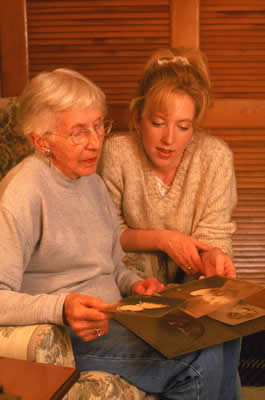 By Susan Peters, Volunteer Attorney By Susan Peters, Volunteer Attorney
Legal Hotline for Michigan Seniors Are you are struggling with daily tasks that
were once second-nature? Would you like
help at home but are unable to pay for it? If you are reaching a point where you may not be able to live
independently but lack of funds is preventing you from hiring help, you should
be aware of a little known program offered through the Michigan Department of
Human Services called the Home Help Services Program. It may provide the funding you need to hire
help with your activities of daily living as well as with things like chores
around the home. Continue to finish the article (pdf)
|
MiCAFE HONORS VOLUNTEERS
|
| Annual Volunteer Luncheon Held
The Michigan's Coordinated Access to Food for the Elderly (MiCAFE)'s Annual Volunteer Recognition Luncheon was held at the Sacred Heart
Major Seminary in Detroit, Michigan on June 28, 2010. The event was a great success
with nearly 70 volunteers from Wayne and Oakland Counties attending. Awards were presented to the Top Five Volunteers and the Top Five Sites for
having completed the most applications so far in 2010.
MICAFE Director, Sarah Himes, also recognized the Department
of Human Services (DHS) staff saying, "Our partners at DHS are truly our allies
in serving our communities, we work together to serve the people that need
extra support." She added, "We share the same mission and have the same goals
for the people we both serve every day."
The luncheon agenda also included recognizing the Mobile
Team Members who travel throughout Wayne and Oakland Counties, assisting those
that are homebound. A special award was
given to the Wayne County Coordinator, Trudy Jones, who has completed over 620
applications since she started with the MiCAFE Program. Elder Law of Michigan thanks everyone for all of their hard work and support as we celebrate the
continued success of the program!
|
|
DR. BUTLER'S DEATH DOES NOT SILENCE HIS VOICE
|
| From the August, 2010 Elder Law Answers e-newsletter, posted by Margolis on July 13, 2010.
We were saddened to learn of the death of Dr. Robert N. Butler  at
age 83 in early July. A fierce advocate for seniors and the founding
director of the National Institute on Aging, Dr. Butler coined the term "ageism."
During an interview last year on ElderLaw Radio, Dr. Butler made several interesting points. The first is that we have too
few geriatric medicine specialists for today's seniors, much less for
the vast number of baby boomers who will soon be passing the age 65
threshold. Medical schools need to revamp to meet the needs to the
population as it gets older.
Dr. Butler's second point was more surprising. Margolis asked him how baby
boomers were going to function as seniors, expecting him to say that
they would be healthier than their parents and grandparents due to
modern medicine and modern lifestyles.
Instead, Dr. Butler predicted the opposite result. Due in large
part to obesity in America, he predicted a geriatric health crisis in
the next couple of decades. Coupled with low savings rates, he foresaw
a gloomy old age for many baby boomers.
Fortunately, he also saw the possibility of change through exercise,
better diets, and continued work and other activities. Each individual
American taking control of his or her own future health, he said, could
have huge repercussions on the future financial and physical health of
the nation as a whole.
Getting this message out would be a fitting legacy for Dr. Butler and his career.
To read more about Dr. Butler, click here.
To read Dr. Butler's obituary, click here.
|
|
|
|
|


