|
|
|
 The Compass The Compass
Pointing the Way to the Stars |
|
|
NC Division of Child Development
& Early Education |
Spring 2012
|
|
|
|
|
 From the Director's Desk From the Director's Desk
As usual, much has happened at DCDEE since our last newsletter. Here are some highlights:
We added 2000 new NC Pre-K slots across the state. An NC Pre-K Advisory Committee is up and running, with sub-groups hard at work. Have you seen the NC Pre-K tab on our website?
We were able to move four-year olds eligible for kindergarten in 2012 off the subsidy waiting lists and into quality programs to give them a jumpstart for kindergarten.
The General Assembly's House Select Committee on Early Childhood Education Improvement met this winter. We provided information and followed their deliberations about funding, monitoring, professional development and eligibility criteria for NC Pre-K. Read their final report.
We postponed the SEEK Phase II pilot and rollout, allowing time to evaluate areas of concern.
Congratulations to 312 centers and 729 homes applying to move up from One- and Two-Star licenses to higher stars! This is very exciting, and our Regulatory consultants are hard at work to help them succeed.
In this issue we have a lot to share with you. Watch video clips on "Language for Learning" from the North Carolina Rated License Assessment Project (NCRLAP). Read about plans for using the Early Learning Challenge Grant (Race to the Top) that North Carolina was awarded in December. Discover important tips about protecting children from abuse and neglect and keeping them safe and healthy. Learn about a national challenge called Let's Move Child Care and a new online nutrition resource that offers child care inservice training. Get an update on SEEK. Find out what's happening with curriculum approval.
What else would you like to see in this newsletter? Please continue to send us your ideas.
Happy reading!

|
|
|
Early Education and Child Care MATTERS
North Carolina is putting a lot of emphasis on literacy in early education settings.
We know that teachers play a critical role in children's early experiences with language and interactions, and these experiences build the foundation for their future positive development and success in school and in life.
The North Carolina Rated License Assessment Project (NCRLAP) developed three videos on Language for Learning, filmed in licensed child care programs in
North Carolina. They focus on how language supports children's cognitive and social/emotional development in programs serving infants and toddlers, preschoolers, and schoolagers. Watch them right here:
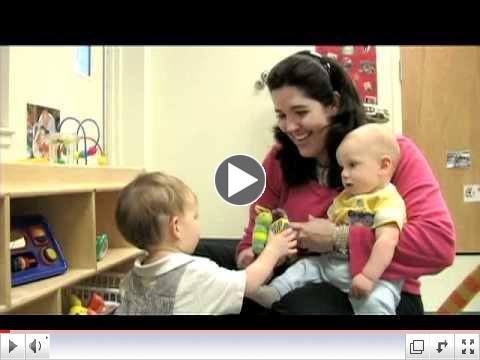 | Language for Learning: Infants and Toddlers
(14 minutes) |
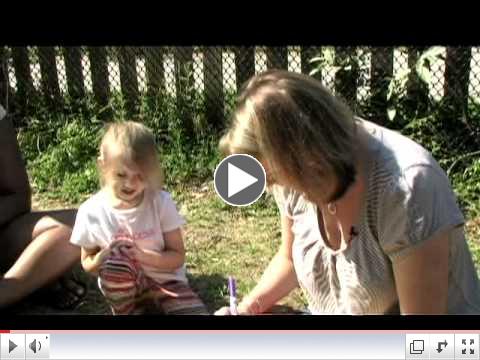 | Language for Learning: Preschoolers
(22 minutes)
|
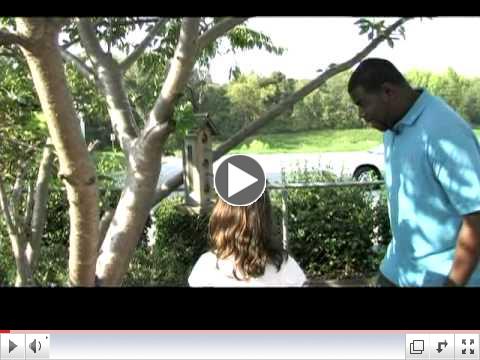 | |
Language for Learning: Schoolagers
(12 minutes) |
Did you know that NCRLAP offers many more online training resources, including webinars? Check out their flyer to learn more about these.
Back to top |
|
Early Learning Challenge (Race To The Top)

Exciting news! North Carolina won a $70 million Early Learning Challenge grant in the Race To The Top competition. In December, the U.S. Departments of Education and Health and Human Services announced nine winners chosen from thirty-seven state applications. U.S. Secretary of Education Arne Duncan said of North Carolina, "It was literally the best application we received from any state in the country."
So what does this mean for our work? DHHS and DCDEE played a significant role in creating the winning application
and will receive a significant share of funding. The grant will ultimately benefit children and families across the state, but cannot be used to increase capacity in existing services such as NC Pre-K or child care subsidy. The award is designed to add value and support to currently funded investments, in order to increase their impact and effectiveness. According to DCDEE Director Deb Cassidy, "This grant wil offer needed support for efforts to improve the quality of services provided to the youngest children in North Carolina."
These are some of the projects that will be supported by the grant:
- Development of a child care quality assessment tool designed for regulatory purposes
- Training and technical assistance opportunities for child care providers
- Grants to assist 1 and 2 star programs to increase levels of program quality
- Development of a system of unique identifiers for children so that children's progress can be tracked from birth to high school
- Multiple strategies to improve child care quality and provide additional supports to high-poverty counties in the northeast corner of the state
Stay tuned! The Early Learning Challenge grant will be a hot topic in future issues.
Back to top
|
|
NC Pre-K Updates
 | |
Happy Face Preschool, before . . . |
There was great news for 2000 North Carolina children and their families this winter! Governor Perdue allocated an additional $9.3 million to expand the NC Pre-K program. Our NC Pre-K education consultants assisted counties statewide in the local planning process to move unserved children into high quality classrooms. Two thousand more children are now getting a jump start to enter kindergarten ready to succeed.
 | | and after expansion! |
Happy Face Preschool in Raleigh is a great example of
how this expansion is making a difference. A five-star center, Happy Face used to have two More at Four classrooms. The economic downturn of 2008 forced them to close one of their classrooms and serve fewer children. Thanks to expanded funding, they were able to open a second NC Pre-K classroom. Before expansion the center served 59 children. Now 77 children are enrolled in this high quality, enriching program. Good for all!
Back to top |
|

Highlighting Healthy Early Care and Education
Let's Move! Child Care State Challenge: have you signed up yet? States are competing to see who can get the most child care providers participating. Wouldn't it be great to see North Carolina show our commitment to healthy, active lives for our children? Visit the Let's Move website to learn how to make nutrition fun, get kids moving, and be inspired! Post this flyer and pass it out to families to get everyone on board.
Kids Eat Smart Move More is North Carolina's very own
exciting new resource for child care providers and parents. It is an interactive website* to help you meet nutrition and physical activity recommendations. It even includes a park finder! Locate parks in your area, see pictures of them and learn what equipment they have. How cool is that? You can post this flyer to let parents know about the site, put it in their orientation packets, or email it to them. *Child care providers, you can receive one hour of inservice training credit for completing all of the modules on the site!*
To get started, register here. It's as easy as that. Request a three minute informational video here. Questions or comments? Contact info@kesmm.org.
Kids Eat Smart Move More comes from the USDA Child & Adult Care Food Program (CACFP) through a special grant. CACFP is an important resource that helps providers meet children's nutritional needs. Offering a variety of nutritious foods helps children develop eating habits that promote health and offer protection from preventable diseases and conditions. Nutritious snacks and lunches fuel children's bodies and deliver the nutrients needed for growth and development. CACFP makes it possible for many low-income families to afford care that nurtures their children physically as well as intellectually, socially and emotionally. North Carolina's child care rules specify that all providers must meet the nutrition guidelines laid out in the CACFP's Meal Pattern Requirements for Children Ages 1-12. Determining how foods are counted toward meeting meal pattern requirements can be found in this extensive resource Crediting Foods In the Child Adult Care Food Program.
Finally, don't forget to regularly check the Healthy Child Care Standard of the Month for tips about best practice and practical ideas from your peers. April's tip is about Emergency and Evacuation Drills, important at any time but especially as we approach hurricane season in North Carolina.
Back to top
|
|
Be on the Safe Side
 Ah! spring and summer . . . seasons when many of us are Ah! spring and summer . . . seasons when many of us are
"on the go" more than ever. It's true for families and especially true for child care programs that take field trips. Whether organizing routine transportation or special trips, parents and child care staff need to be aware of the risks and use careful planning and proactive measures to keep children safe from harm.
Did you know that in just 10 minutes on a mild day the temperature inside a car can rise 20 degrees? Did you know that a child's body warms 3 to 5 times faster than an adult's? It's NEVER safe to leave children alone in a vehicle. Read more about the Never Leave Your Child Alone campaign.
For safety tips to make sure that your field trips and transportation practices are good for children, read Safe Transportation.
In each issue, Be On The Safe Side describes typical situations that could result in harm to children - some obvious, others less so - and offers resources you can use to protect children and avoid the potential risks.
Back to top
|
|
Reminder: New Crib Standards

| |
Child Care Provider's Guide to New Crib Standards
in English and Spanish
|
The Consumer Product Safety Commission [CPSC] approved stronger crib standards to ensure safe sleep for infants and toddlers.
Effective December 28, 2012, any crib provided by a child care center or family child care home must meet new and improved federal safety standards.
These new standards ban the manufacture and sale of traditional drop-side cribs, require stronger mattress supports and crib slats, require crib hardware to be more durable, and require more rigorous safety testing. All cribs in all licensed facilities will be expected to be compliant with this law by December 28, 2012.
What can I do to meet the new standards?
- Print and review the Child Care Provider's Guide to New Crib Standards from CPSC.
- Plan now to include the purchase of one or two cribs a month in your budget.
- Hold a "Trike-A-Thon" to raise money for cribs
- Instead of re-selling or donating old cribs, read this for ideas on what to do with them.
For more information visit the CPSC Crib Safety Information Center website.
Back to top
|
What's New with SEEK?
The child care provider community has been a valued partner in implementing and piloting the SEEK project. The Division has gathered some vitally important information from the provider community that is helping us to evaluate the effectiveness of the swipe cards to accurately record and track attendance in the SEEK system. Provider feedback will help us ensure that payments can be made timely and accurate prior before we implement Phase II - Payment Process.
Read more about what we've learned, how we're using that information, and answers to some of the most frequent questions about SEEK that providers are asking.
|
|
2012 Curriculum Review Process
Have you heard that the NC General Assembly directed DCDEE to develop a process to ensure that an approved curriculum is used in all four-year-old classrooms in Four- and Five-Star child care facilities? Perhaps you're using a curriculum for a Quality Point on your rated license. Do you know which curricula are approved for these purposes, and how they become approved?
The NC Child Care Commission recently approved an updated curriculum review process. This will allow additional curricula
to be considered for approval as this new requirement is implemented. Publishers and proprietors will be invited to submit curriculum in May.
Check out the new Curriculum tab on our website. Here you'll find the criteria used to evaluate curricula, a list of currently approved curricula and descriptions of them. Options are available for mixed aged groups and Family Child Care Homes. If you want to submit a curriculum for approval, this site has instructions for you.
|
|
Parting Thoughts 
"I work with preschoolers. They sort colored beads, sequence a story they just heard, make elaborate designs with pattern blocks, and figure out how to equitably divide cars with their friends. We know they are learning important math concepts. They call it playing."
Kathleen Klofft, Letter, Boston Globe Magazine, February 12, 2012
Back to top
|
|
|
|
|
|
|
|
|


