|
|
| Issue No. 11.46 | November 17, 2011 |
|
|
|
|

Get Social!
|
|
|
|
Gallipolis Christmas Open House 
Saturday
November 19th
8am - 7pm
Drawing Every Hour for Poinsettias
10% Off Total Purchase!
(excluding poinsettias)
|
|

Five Ways to Use Fall Leaves
It's a weekend ritual in most neighborhoods: the raking and bagging of autumn leaves. And it is repeated, week after week until, at last, the last leaf has fallen.
But why make so much work for yourself when there are simple ways to make your fall leaf clean-up work for your garden? Why spend all of that time bagging leaves to be picked up by your municipality when you can put them to work in your garden beds? Here are five easy ways to use leaves in your garden.
- Compost Them
Autumn leaves, especially those that have been chopped or shredded (you can use a chipper/shredder, a leaf vac, or a lawn mower to shred the leaves) are dream additions to the compost pile. Leaves are a great source of "brown," high-carbon material for the compost. Simply alternate layers of shredded leaves with the regular green materials you'd add to your compost pile (such as vegetable and fruit scraps, weeds, grass clippings, and plants that you pull out in your fall garden clean-up) and let it sit over the winter. Aerate or turn the pile when you think of it, and by planting time you'll have finished compost.
If you are a fan of lasagna gardening (also known as sheet composting) autumn leaves are a true gift to the gardener. And they come at the perfect time; you can build a lasagna garden now with your leaves and other compostables, let it sit over the winter, and plant in your new bed in the spring.
- Make Leaf Mold
Leaf mold is a wonderful soil amendment that is made from nothing more than fall leaves with the occasional layer of garden soil or finished compost added. The pile sits for about a year, and when it's finished you have the perfect amendment for vegetable and flower gardens, as well as a fantastic addition to potting soils.

- Mulch
Once you've shredded your leaves, they can be used as an organic mulch in flower beds, vegetable gardens, under trees and shrubs, or in container gardens. Simply apply a two to three inch layer of shredded leaves to your beds, keeping the mulch from directly touching the stems and trunks of your plants. The mulch will help the soil retain moisture, stay cool, and limit weed seed germination. As a bonus, the leaves will add nutrients to the soil as they break down, and the worms and soil microorganisms will work on them as well, resulting in lighter, fluffier soil over time.
- Hoard Them
You may think that once all of the leaf clean-up is finished, you'll never want to see another leaf again. But just wait! What about when spring rolls around, and you're out there weeding and deadheading and pruning again, adding all of those "greens" to the compost pile? Brown materials can be hard to come by in spring and summer. But, if you've thought ahead and hoarded a garbage bag or two in your garage over the winter, you won't have any problem making perfect compost in spring. It's much easier to dump a bag of leaves on the compost pile than to stand there shredding newspaper in an attempt to dry out a soggy compost pile!
- Mow Them
This one may be the easiest solution, as it involves no raking whatsoever. There really is no scientific reason to rake all of the leaves off of your lawn. If you simply run over them with a mower (with the wheels set at their highest setting) they'll break down over the winter, providing your soil with nutrients and shading the soil, which will result in fewer lawn weeds to worry about next year. If you do this once a week until the leaves are finished falling, you won't have to rake a single leaf, and your lawn will look better for it next spring and summer.
So, there you have them: five easy ways to deal with autumn leaves. Use one, or a combination, but don't be surprised to find yourself eying your neighbor's leaves once you see the benefits autumn leaves bring to your garden.
|
Bob's Fall Photo Contest
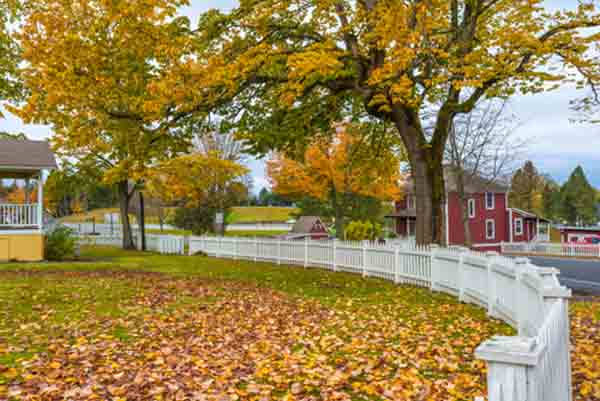 Only 4 Days Left to Enter! We are now accepting submissions for our first ever Fall Photo Contest! Get out that camera and snap your best fall photo. You can send us anything related to fall. For example, photos of beautiful fall foliage or flowers, your house all spruced up for autumn, or that awesome Halloween costume! The possibilities are endless. Photos must be taken by you between September 1, 2011 and the contest deadline, Monday, Nov. 21st at 9AM Eastern. We will post all of the submissions to an album on Facebook and the photo with the most "likes" will be declared the winner! |
1st-2nd Good Days For Planting Peas, Squash, Corn, Tomatoes And Other Aboveground Crops.
3rd-4th Kill Plant Pests On These Barren Days.
5th-7th Favorable Days For Planting Aboveground Crops. Extra Good For Vine Crops, Where Climate Allows.
8th-9th Neither Plant Nor Sow On These Barren Days.
10th-11th Plant Root Crops, Where Climate Permits. Good Days For Transplanting.
12th-13th Any Seed Planted Now Will Tend To Rot.
14th-15th Best Planting Days For Fall Potatoes, Turnips, Onions, Carrots, Beets And Other Root Crops, Where Climate Is Suitable. Also Plant Seedbeds And Flower Gardens. Good Days For Transplanting.
16th-19th Poor Period For Planting. Kill Plant Pests, Clear Fencerows/land.
20th-22nd Favorable Days For Planting Root Crops. Fine For Sowing Grains, Hay, And Forage Crops. Plant Flowers.
23rd-24th Plant Carrots, Beets, Onions, Turnips, Irish Potatoes And Other Root Crops, In The South. Lettuce, Cabbage, Collards, And Other Leafy Vegetables Will Do Well. Start Seedbeds. Good Days For Transplanting.
25th-27th Poor Planting Days.
28th-29th Good Days For Planting Peas, Squash, Corn, Tomatoes And Other Aboveground Crops.
30th Kill Plant Pests On This Barren Day.
"Sell not virtue to purchase wealth, nor Liberty to purchase power."
-Benjamin Franklin, Poor Richard's Almanack, 1738
|
|

Jam Bars
by: Gloria Grate
Ingredients
1 package Duncan Hines Yellow Cake Mix
2 1/2 cups Quick Oats
3/4 cups Butter, melted
1 (12 oz) Raspberry Jam, mixed with 1 tablespoon of water
Directions
Combine cake mix and oats in a large bowl. Add butter and mix until crumbly. Measure 1/2 of this mixture and put in a 9x13 cake pan, pat down. Spread jam mixed with water over this. Sprinkle rest of cake mix and oats over jam, pat down. Bake 18 to 20 minutes at 350 degrees. Cut into squares.
Send your recipes to ask@bobsmarket.com
|
|
Picture of the Week

A Fiery Fall Pansy
Photo by: John Morgan
|
|

This week we'll be exploring the science behind fall!
Check out Bob's Market LIVE, our UStream show, each Friday at 4 pm. You can watch it on our blog, our Facebook page, or directly on Ustream.
Click Here for Last Week's Show
|
Bob's Market & Greenhouses
Mason, West Virginia 25260
1-800-447-3760
|
|
|
|
|
|
|
|
|
|
|








