|
|
| Issue No. 10.44 | November 4, 2010 |
|
|
|
|

A Special Weather Alert:
Thursday night the higher elevations of WV will receive a wintry mix with a low around 35. Friday's rain will begin to change over to snow showers and flurries by Friday night as temperatures drop into the 20s! The mountains of WV are expected to have accumulations of a couple inches while lowland throughout WV, OH, and KY may receive a dusting.
For much of the region, this is expected to be the first "hard freeze" of the season and with that comes some gardening concerns. Make sure garden hoses, watering cans, and other irrigation tools are drained to prevent freezing and cracking. If you have not dug your canna lily bulbs yet, now may be your last chance to get them packed away for winter. Also, make sure winter cold frames or other season-extending devices are ready to help prevent freezing of winter crops.
|
|

Shoe Boxes Due
Sunday, November 21,2010
This year Bob's Market & Greenhouses, Inc. is again blessed to be a collection point for Operation Christmas Child. Last year over 8 MILLION children received shoe boxes from Operation Christmas Child. This year help show your love in a tangible way to needy children around the world!
Visit
Samaritanspurse.org
for more information. |
Preserving Wet Seeds
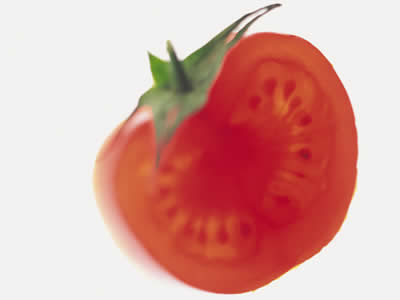
The seeds that heirloom-seed gardeners hold in their hands at planting time are living links in an unbroken chain reaching back into antiquity. Old varieties are threatened today, not because of any deficiencies, but because they are not suitable for factory farmers and the food processing industry. The old varieties will survive and flourish only if they continue to be grown by backyard gardeners.
You, too, can preserve garden diversity. Seed cleaning methods can be divided into wet processing or dry processing (as covered last week). Here are three-step directions for wet processing seeds that are embedded in the damp flesh of fruits or berries, such as tomatoes, cucumbers, muskmelons or ground cherries.
Three Steps to Wet Processing Seeds
1. Removal of Seeds
Large fruits are cut open and the seeds are scraped out. Small fruits are usually crushed or mashed. The seeds, pulp and juice from the fruits may need to go through a fermentation process. During the fermentation process, microorganisms such as bacteria and yeast destroy many of the seed-borne diseases that can affect the next generation of plants.
2. Washing Seeds
The process for washing seeds to remove them from the surrounding pulp or to separate them from the fermenting mixture is basically the same. The seeds and pulp are usually placed in a large bowl or bucket. Add at least twice as much water as the volume of seeds and pulp, and stir the mixture vigorously. Viable seeds tend to be more dense and sink to the bottom, but poor quality seeds tend to float. Add more water and repeat the process until only clean seeds remain. The seeds are then poured into a strainer and washed under running water. 3. Drying Seeds
Spread the seeds as thinly as possible on the drying surface and stir the seeds several times during the day. Always remember that damage begins to occur whenever the temperature of the seeds rises above 95F. For that reason never dry seeds in the oven. Even at the lowest settings, the temperatures in an oven can vary enough to damage the seeds.
Never dry seeds in the direct sun if there is any chance that the temperature of the seeds will exceed 95F. Always remember that the air temperature is often not the same as the temperature of the seeds. Even at air temperatures around 85F, dark colored seeds can sometimes become hot enough to sustain damage.
Fans hasten the drying process; ceiling fans are ideal, and placing seeds on window screens is best of all as they allow for excellent air circulation.
Helpful Tip
Not every plant's seeds are worth keeping. Hybrid plants are developed by crossing specific parent plants. Hybrids are wonderful plants but the seed is often sterile or does not reproduce true to the parent plant. Therefore, never save the seed from hybrids. Another major problem is some plants' flowers are open pollinated by insects, wind or people. These plants include squash, cucumbers, melon, parsley, cabbage, chard, broccoli, mustard greens, celery, spinach, cauliflower, kale, radish, beets, onion, and basil. These plants cross with others within their family. The only way to maintain the original variety is to isolate by large distances (at least 200 yards). Isolation is often impossible or impractical in a home garden.
Spread the seeds as thinly as possible on the drying surface and stir the seeds several times during the day. Always remember that damage begins to occur whenever the temperature of the seeds rises above 95F. For that reason never dry seeds in the oven. Even at the lowest settings, the temperatures in an oven can vary enough to damage the seeds.
Never dry seeds in the direct sun if there is any chance that the temperature of the seeds will exceed 95F. Always remember that the air temperature is often not the same as the temperature of the seeds. Even at air temperatures around 85F, dark colored seeds can sometimes become hot enough to sustain damage.
Fans hasten the drying process; ceiling fans are ideal, and placing seeds on window screens is best of all as they allow for excellent air circulation.
Helpful Tip
Not every plant's seeds are worth keeping. Hybrid plants are developed by crossing specific parent plants. Hybrids are wonderful plants but the seed is often sterile or does not reproduce true to the parent plant. Therefore, never save the seed from hybrids. Another major problem is some plants' flowers are open pollinated by insects, wind or people. These plants include squash, cucumbers, melon, parsley, cabbage, chard, broccoli, mustard greens, celery, spinach, cauliflower, kale, radish, beets, onion, and basil. These plants cross with others within their family. The only way to maintain the original variety is to isolate by large distances (at least 200 yards). Isolation is often impossible or impractical in a home garden. Dump the cleaned seeds onto a glass or ceramic dish, cookie sheet, window screen, or a piece of plywood. Do not attempt to dry the seeds on paper, cloth or non-rigid plastic, because it can be extremely difficult to later remove the seeds from such surfaces. |
|

2010 Fall Coloring Contest Winners
This past month Bob's Market & Greenhouses hosted a coloring contest for children of different age groups. On Monday a few of us had the hard job of judging these beautiful works of art, and, after much consideration, these winners were picked.
Click here to view the winning pictures. |
|
- Saturday, November 6 - New Moon - Set clocks back before going to bed.
- Sunday, November 7 - Daylight Saving Time Ends
- Wednesday, November 10 - Apply Lime & Fertilizer according to Soil Test
- Thursday, November 11 - Veteran's Day
"Search others for their virtues, thyself for thy vices." -Benjamin Franklin, Poor Richard's Almanac, 1738
|
|

Jam Bars
Recipe by: Gloria Grate, Mason, WV

- Duncan Hines Yellow Cake Mix (1)
- 2.5 Cups Quick Oats
- 3/4 Cup Butter, melted
- 1 Raspberry Jam (12oz Jar), mixed with 1 tsp. of water
Combine cake mix and oats in a large bowl. Add butter, mix until crumbly. Measure half of this mixture and put in a 9x13 cake pan, pat down. Spread jam mixed with water over this. Sprinkle rest of cake mix and oats over jam, pat down. Bake 18 to 20 minutes at 350F. Cut into squares.

Send your recipes to ask@bobsmarket.com
|
|
Picture of the Week

Taken: September 17, 2009
by: John Morgan
|
Jobs Available Soon...
We are taking applications now; jobs begin after Christmas (January 2011). Interested?
New hires will be working in our 17 acres of concrete-floored greenhouses in the town of Mason, located in the northern end of Mason County, West Virginia (just across the bridge from Pomeroy, OH).
Employment is expected to last from January 2011 to May 2011. Entry level pay is Federal minimum wage ($7.25/hr). Overtime is $10.88/hr when working in excess of 40 hours during a work week.
How do I apply?
|
Bob's Market & Greenhouses
Mason, West Virginia 25260
1-800-447-3760
|
|
|
|
|
|
|
|
|
|
|