|
|
| Issue No. 10.27 | July 8, 2010 |
| Special Announcement: Our Parkersburg, WV & Atlanta, GA Markets are now CLOSED for Summer. We look forward to seeing you again this Fall! |
|
|
|
Understanding Tomato Blossom-End Rot
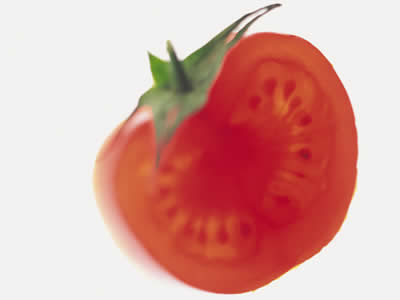 Blossom-end rot of tomatoes is a physiological disorder caused by a lack of sufficient calcium in the blossom end of the fruit. This disorder results in the decay of tomato fruits on their blossom end. Dry brown or tan areas the size of a dime that grow to the size of a half dollar, characterize this disorder. This disorder is usually most severe following extremes in soil moisture (either too dry or too wet). Blossom-end rot of tomatoes is a physiological disorder caused by a lack of sufficient calcium in the blossom end of the fruit. This disorder results in the decay of tomato fruits on their blossom end. Dry brown or tan areas the size of a dime that grow to the size of a half dollar, characterize this disorder. This disorder is usually most severe following extremes in soil moisture (either too dry or too wet).
To reduce blossom-end rot in tomato, implement the following steps:
Lime tomato soils to pH 6.5 to 6.7 -- Home gardens not limed in the past 2 to 3 years will need 2 cups of lime for each plant. The lime should be worked into the soil 12 inches deep. To determine the exact amount of lime, send a soil sample to your local extension office.
-
Fertilize properly -- Applying too much fertilizer at one time can result in blossom-end rot. Following soil test recommendations is the best way to insure proper fertilization. For home gardens not soil tested, apply 5 pints of 8-8-8 per 100 ft of row and work it thoroughly into the top 8 inches of soil.
-
Mulch plants -- Use straw, pine straw, decomposed sawdust, ground decomposed corn cobs, plastic, or newspapers. Mulches conserve moisture and reduce blossom-end rot. In extreme drought, plastic may increase blossom-end rot if plants are not watered.
-
Irrigate when necessary -- Tomato plants require about 1.5 inches of water per week during fruiting. This amount of water should be supplied by rain or irrigation. Extreme fluctuations in soil moisture result in a greater incidence of blossom-end rot.
-
Spray calcium -- The plants may be sprayed with a calcium solution at the rate of 4 lb of calcium nitrate or calcium chloride per 100 gal of water (or 4 level Tbs per gal of water). This spray should be applied 2 to 3 times a week, beginning at the time the second fruit clusters bloom. These materials can be mixed with the spray that is used for control of foliar diseases. Chelated calcium solutions also provide an excellent source of calcium. When using these chelates, follow label directions. Several foliar spray materials containing calcium are available and all work well for tomatoes. |
Bob's on the Road

This weekend close to 40 representatives of Bob's Market and Greenhouses will be travelling to the OFA Short Course in Columbus, OH. OFA, the Ohio Floriculture Association, was founded in 1929 by Ohio State University Alumni. Since that time the organization has grown to become the nation's largest horticultural organization. OFA now covers the entire horticultural industry and has members in all 50 states and many other countries. Our own Bobby Barnitz has served as the organization's president from 2007-2009.
At the OFA Short Course many of our folks will attend the trade show, which is the largest show of its kind on the east coast. Also, some of our representative will attend seminars, tours, and educational meetings to get new ideas and further improve Bob's Market. While we are there, I will record a video of our experiences to share next week. You will get to meet some of the suppliers and business partners that work behind the scenes to help make Bob's a success.
Also, Bob's Market and Greenhouses grows many of the plants that will be on display at the Short Course. We currently have a section of one of our greenhouses filled with plants for Dummen, Ball, and others. These plants will ship out tomorrow for Columbus.
|
|
- Thursday, July 8th - Seed Carrots and Swiss Chard
- Friday, July 9th - Plant Cherry Tomatoes for Fall
- Saturday, July 10th - Seed Beets
- Sunday, July 11th - New Moon
- Tuesday, July 13th - Treat for Japanese Beetles
"Keep your eyes wide open before marriage,
half shut afterwards."
-Benjamin Franklin, Poor Richard's Almanac, 1738
|
|
Country Fried Zucchini
Recipe by: Mary K. King, Gibbstown, WV 
PREP TIME: 20 Minutes COOKING TIME: 20 Minutes Ingredients 2 Zucchini, Thinly sliced ½ Cup All Purpose Flour ½ Cup Cornmeal ½ Tsp Garlic Powder Salt & Pepper to Taste 1 Cup Vegetable Oil for Frying Directions 1. Thinly slice zucchini and place in a large bowl. 2. In a small bowl mix flour, cornmeal, garlic powder, salt, and pepper. 3. Pour mixture over zucchini, cover bowl, and shake to coat the zucchini slices. Then let the mixture set for about 30 minutes. A batter will form on the zucchini. 4. In a medium skillet heat oil over medium heat. When oil is hot add the zucchini a few at a time to fry. Flip to brown evenly. After removing from the oil, allow the zucchini to rest on a plate with a paper towel to absorb excess oil.
|
|
Picture of the Week

Black-eyed Susan
Photo by: John Morgan
Taken: 6/29/2010 |
|
|
|
Bob's Market & Greenhouses
Mason, West Virginia 25260
1-800-447-3760
|
|
|
|
|
|
|






