|
With summer's end and the school year underway, you may have noticed that your child has begun to cough and sneeze. These symptoms are often brought on by fall allergies (especially ragweed). Additionally, once temperatures drop and the heat is turned on, dust and dust mites from forced hot-air heating systems invade the air further contributing to allergy symptoms.
Medications such as antihistamines (for example, Claritin and Zyrtec) and nasal steroids (Flonase and Nasonex) may help with these allergy symptoms.
If your child has allergies or asthma BE PREPARED! Make sure you have all of your child's medications up to date and available at home (including an oral steroid such as Orapred, prenisolone or prednisone).
If your child's asthma plan instructs for a fall follow-up, please call our office to book an appointment. Remember, night time coughing or coughing when exercising can be early warning signs of an impending asthma attack.
Lastly, all individuals older than 6 months of age are recommended to receive an annual flu shot. Underlying asthma can predispose an individual with the flu to develop a potentially life-threatening pneumonia. Please call (or send a message through the Patient Portal) to make an appointment for your child's flu shot!
Please take some time to watch the following videos.
 | | Understanding Your Child's Asthma Plan |
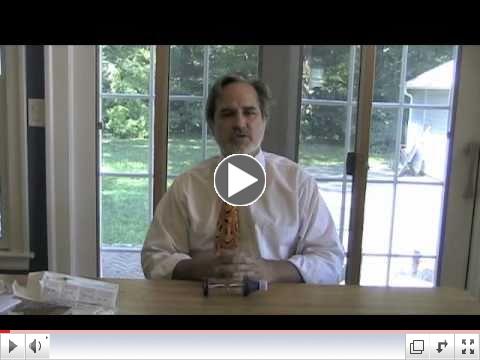 | | Using an Inhaler With a Holding Chamber |
 | Getting Your Teen to Take His or Her Medication
|
 | | Coughs: When to Worry |
| 

